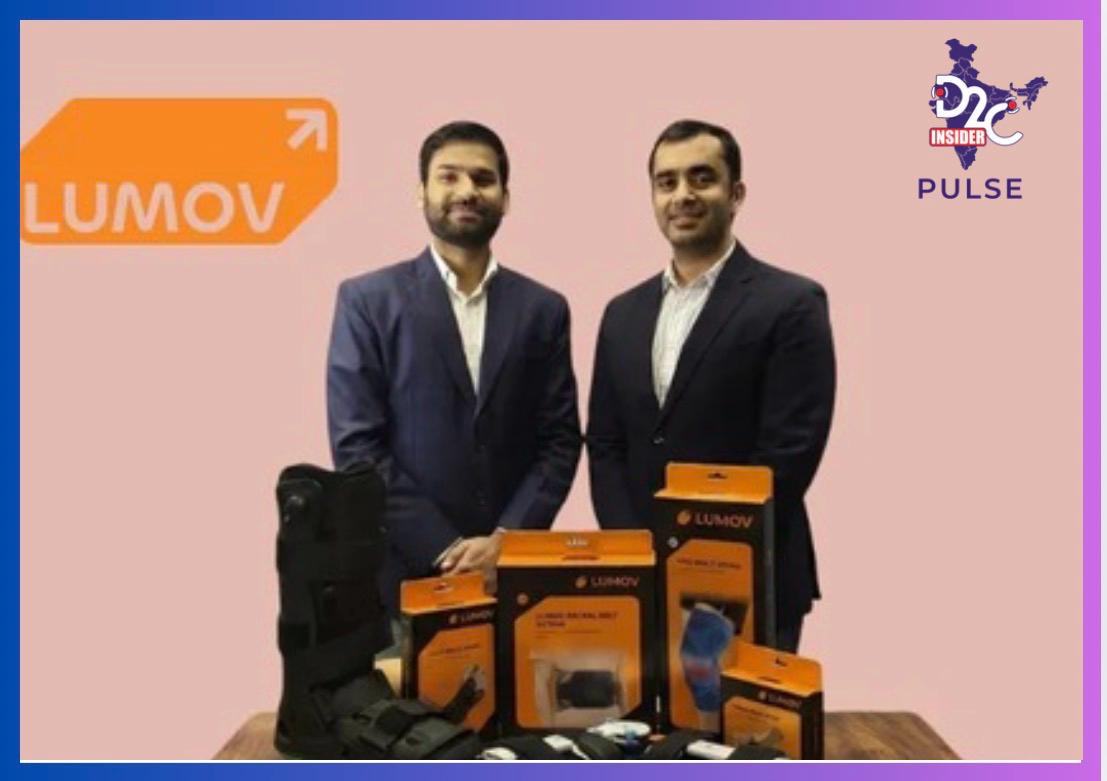
Lumov, an orthopedic recovery startup based in Bengaluru, just got $1.2 million (Rs 10 crore) in seed funding led by Incubate Fund Asia. Others who chipped in include QRG Investments & Holdings (Havells Family Office), IIMA Ventures, SIDBI, and angel investors like Ashish Gupta, Saket Narang, Abhishek Goyal, and Arjun Vaidya. This shows investors are more and more sure about direct-to-consumer healthcare solutions that have solid clinical backing.
This new funding is a big deal for Lumov’s growth plans. The company plans to use the money to create new products, make things, build stronger partnerships with surgeons, and grow in Delhi NCR, Hyderabad, and Mumbai. This plan reflects what’s happening in the D2C market, where healthcare-focused and VC-backed brands are becoming more popular as people want specialized products that deliver results.
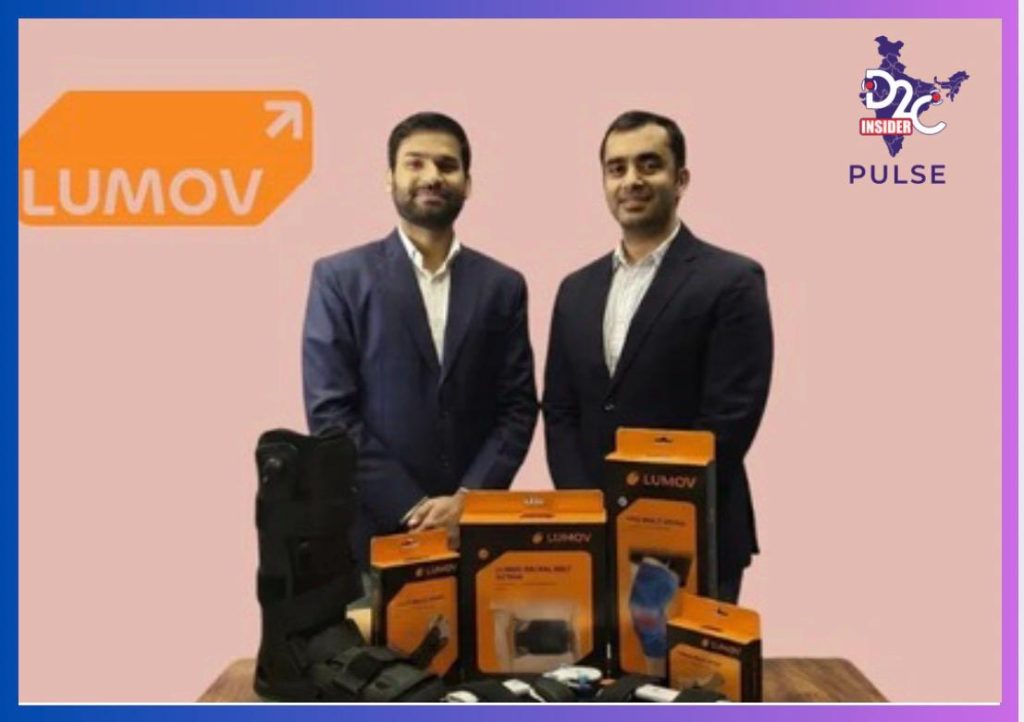
Saumaric Dangwal and Ankit Gupta started Lumov to create orthopedic recovery and rehab products for things like post-surgery recovery, pain control, and long-term mobility. These are areas that haven’t always been well-served in the Indian healthcare system. Unlike other rehab brands, Lumov works directly with orthopedic specialists at top hospitals like Manipal, Apollo, Sakra, and AIG. This helps them create products that tackle specific musculoskeletal problems in India, which sets them apart in the D2C world.
With a core team of 15, Lumov is ready to hire more people in product development, operations, and sales to improve their reach and market approach. As we see more niche D2C brands popping up, Lumov’s expansion puts them among the fastest-growing D2C companies solving real medical issues with research-backed innovation.
The timing is perfect, as more people in India are adopting direct-to-consumer healthcare. They want expert-backed brands without relying only on traditional healthcare. Lumov’s product approach, validated by experts and supported by the founders’ experience from places like Bain Capital and Brookfield Private Equity, suggests they have a good chance of increasing revenue, building patient trust, and improving their company’s worth.
Investors are interested because orthopedic rehab is now seen as both a wellness and a medical category. With more lifestyle-related injuries, increased sports medicine use, and modernizing post-surgery care, there is a lot of room for new D2C products, partnerships, and possibly even IPOs in the future. For Lumov, this funding isn’t just about the money—it’s proof of their brand, clinical reliability, and scalable D2C strategy.
As more people see healthcare-focused D2C businesses as the next big thing, Lumov shows what’s happening in India’s changing consumer health market—a shift from just treating problems to actively focusing on recovery, driven by design, data, and strong medical partnerships. With better execution, new products, and closer collaboration with doctors, Lumov could become a key player in India’s D2C industry and the wider wellness startup scene.