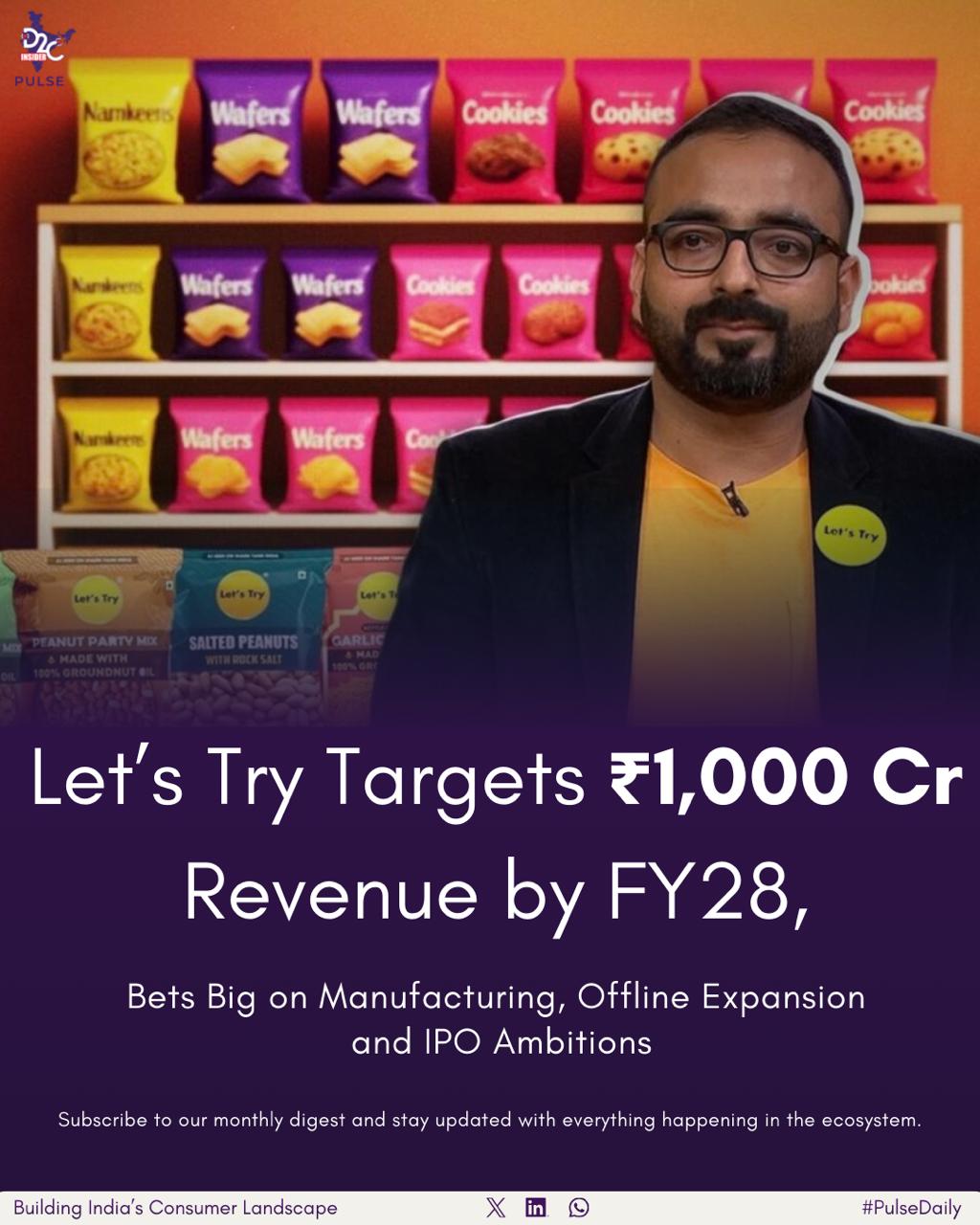
Let’s Try is making waves in India’s direct-to-consumer (D2C) food space. The company expects to hit ₹1,000 crore in annual revenue by fiscal year 2027–28. This growth is fueled by increased manufacturing, a bigger offline presence, and plans to go public by 2028.
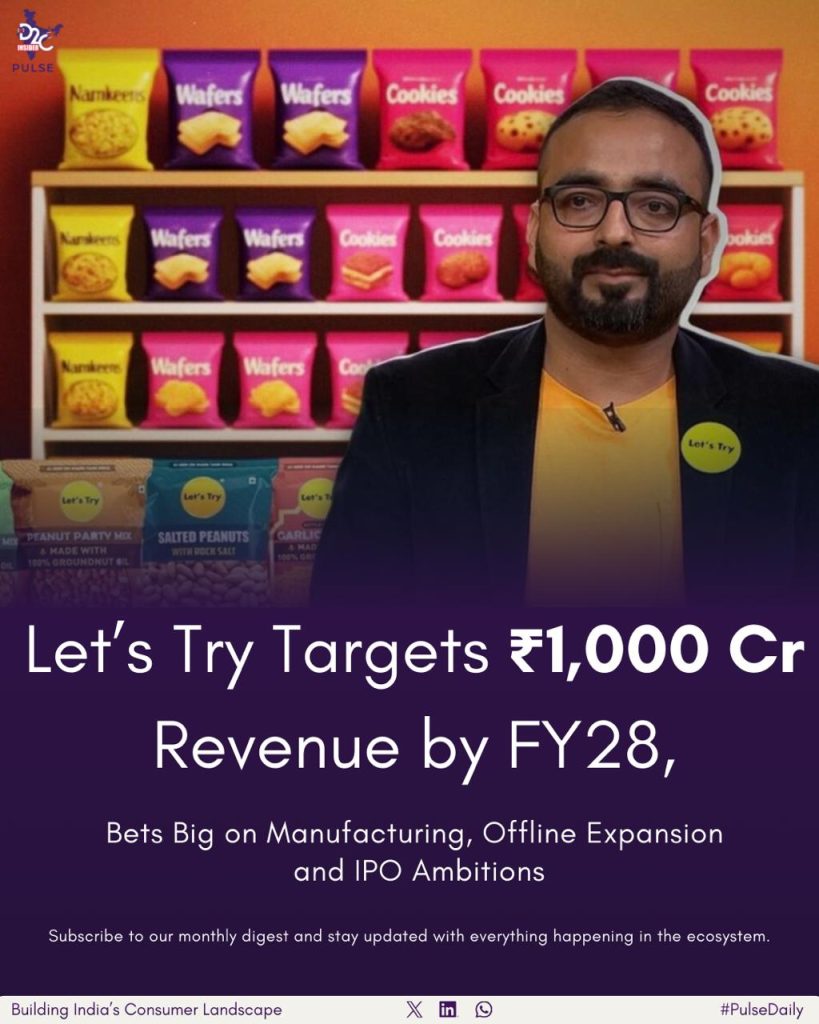
Just four years after its start, Let’s Try has become a top D2C food and beverage brand in India. Founder Nitin Kalra says they’re on pace to close this fiscal year with about ₹230 crore in revenue, a big jump from last year’s ₹65 crore. They’re aiming for almost four times that in the next year, making them a D2C startup to watch.
To support this growth, Let’s Try will invest close to ₹100 crore in four new manufacturing plants across India, expanding from their current Delhi site. They’re planning new plants in Bengaluru, the Mumbai–Pune area, and one in western India for exports. This move is all about maintaining fresh products, speed, and quality, which are key in the D2C food market.
Unlike many D2C brands that outsource, Let’s Try handles all its own manufacturing. This lets them use better ingredients, like groundnut oil, while keeping a close watch on quality and taste. This hands-on approach shows a shift in D2C, where operations are as important as marketing.
The company also plans to grow its sales channels. Currently, about 80% of Let’s Try’s revenue is online, but they want to shift to a 60:40 online-offline balance. They’ll focus on general trade, modern trade, railways, airlines, and local retail to reach more people. This strategy acknowledges that physical stores still matter for repeat food purchases.
Let’s Try is also trying new things, like cloud kitchens that offer Indian snacks cooked in groundnut oil and ghee. They plan to open branded stores next year, expanding their D2C presence beyond online sales.
What makes Let’s Try stand out is its focus on being profitable while growing. The company says it has been profitable since its first year, operating on single-digit margins and putting earnings back into R&D, production, and distribution. This money-smart model is getting attention from investors.
Despite interest from big FMCG companies, Let’s Try isn’t rushing into any deals. The leadership thinks they can grow more on their own before considering any partnerships. As they get ready to go public by 2028, Let’s Try is building itself as a strong, sustainable brand for the long haul.
Let’s Try’s story shows a new kind of Indian consumer brand: one that focuses on manufacturing, uses both online and offline channels, is profitable, and has big goals. If they can keep it up, their ₹1,000 crore revenue goal could set a new standard for D2C food brands in India.