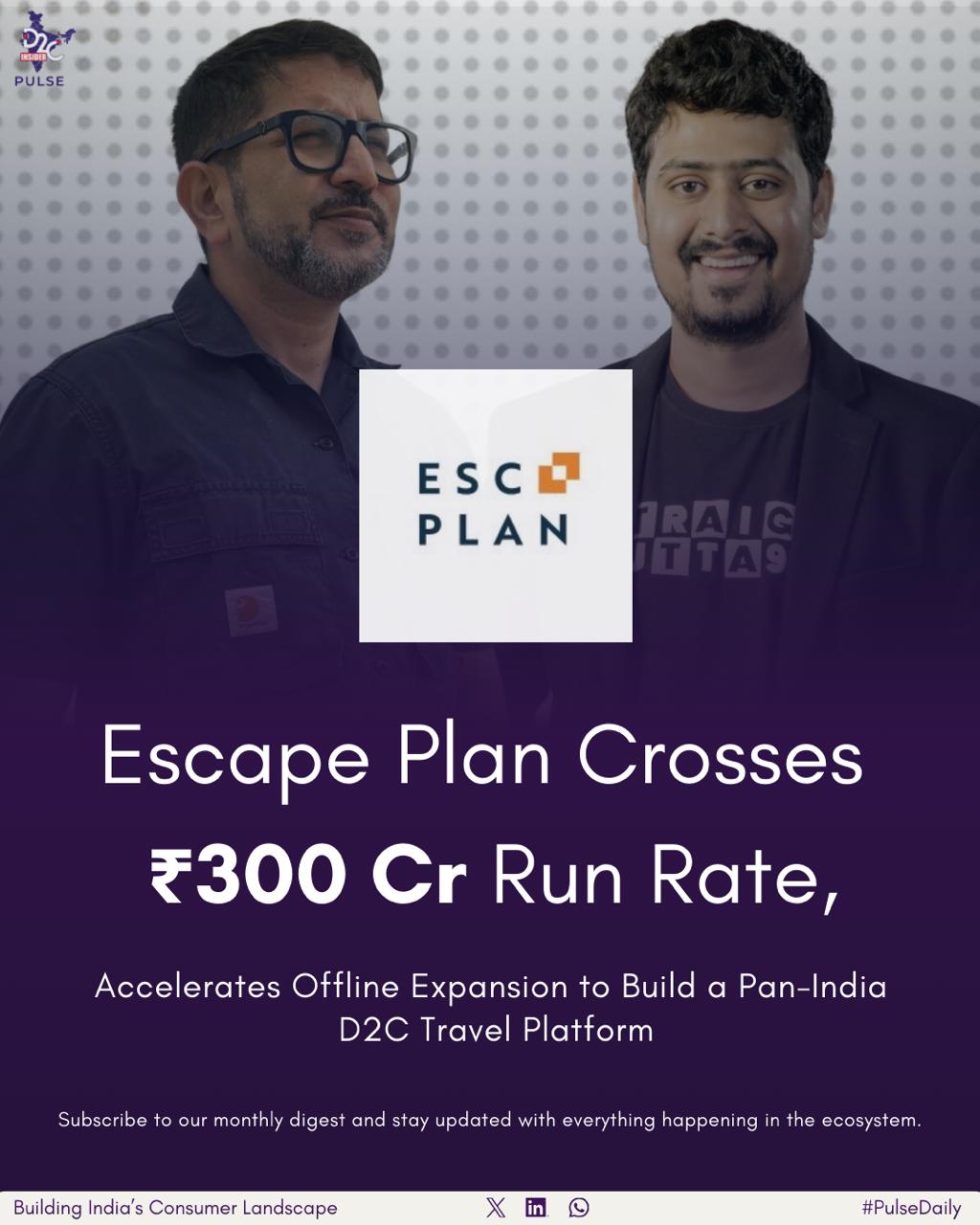
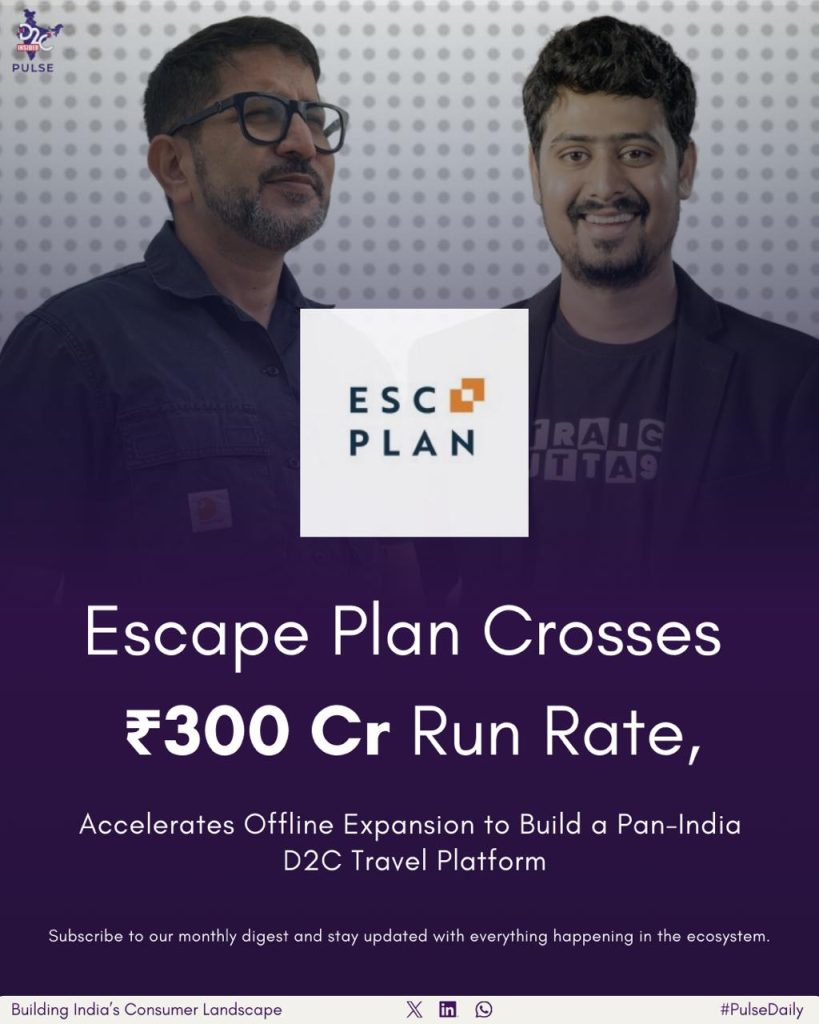
India’s direct-to-consumer (D2C) market is growing beyond just clothes and makeup. Escape Plan is becoming a notable brand in the travel and gear space. This India-focused travel platform is now bringing in ₹300 crore annually, thanks to its popularity on online stores, its own website, and its growing network of physical stores. With a solid start, Escape Plan wants to hit ₹2,000 crore in yearly revenue in the next few years.
Escape Plan’s story shows some key trends in India’s D2C business world. The brand has gained traction by selling in many places – online marketplaces, their own site, and brick-and-mortar stores. This allows them to reach buyers where they make their travel plans. In the past three months alone, they’ve launched 15 stores in major cities and smaller towns, showing how quickly they can move. Escape Plan aims to have almost 200 stores by the end of 2026, which shows they are serious about their multi-channel D2C plan.
One thing that sets Escape Plan apart is its fast delivery service for premium luggage. This is new to India’s travel gear market. People who plan trips on short notice, need to replace damaged bags, or want quick travel solutions love this service. This fast-delivery approach fits with what Indian D2C consumers now want: convenience, dependability, and instant solutions.
Besides luggage, Escape Plan is seeing more demand for well-made travel items that are strong, useful, and good for everyday use. The brand is focused on fixing common travel issues, which helps them create customer loyalty, especially among frequent travelers and families. Many D2C brands in India are starting to think this way.
Collaborations have also boosted Escape Plan’s brand awareness. Its HRX luggage line was a top seller during Flipkart’s Big Billion Days sale, earning a 4.5-star rating from customers. The company will also partner with a top Indian fashion brand to add a fresh look to travel gear, aiming for a more high-end style in D2C fashion and lifestyle.
According to Abhinav Pathak, CEO and Co-founder of Escape Plan, Indian consumers are traveling more often and expect more. Speed, reliability, and good design are must-haves, and Escape Plan is creating a platform to bring all aspects of travel into one place. Its success across digital and physical channels suggests that people are ready for a more problem-solving approach.
Revanth Bhate, CEO of Mosaic Wellness, mentioned Escape Plan as a great example of how D2C brands in India can expand when they pay attention to what people want, how products are distributed, and what consumers do. Flipkart’s leaders have also pointed out how Escape Plan helps grow fashion and lifestyle options that combine style and function for today’s travelers.
Escape Plan’s physical stores, designed as comfortable travel lounges, are becoming important for growth. Locations in cities like Mangalore, Mysore, Hyderabad, and Bengaluru are doing well, especially with repeat customers. These setups create better brand recognition and trust.
With a ₹300 crore run rate and aggressive store growth, Escape Plan shows how new consumer brands are changing retail in India. As it works toward its ₹2,000 crore goal, Escape Plan is becoming a key player in travel, gear, and multi-channel D2C growth.