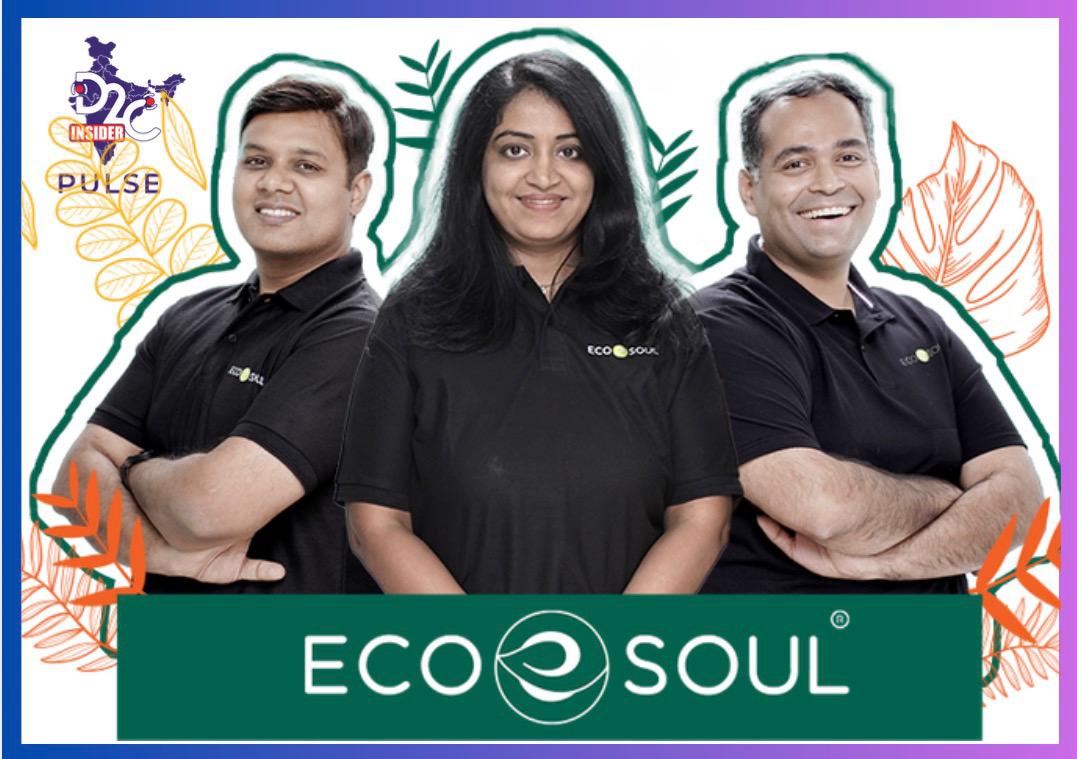
EcoSoul Home, one of India’s fastest-growing sustainable D2C brands, is aiming for ₹600 crore in revenue this year. This is more than double its current annual rate of ₹250 crore.
Having grown by 40% last year and projecting another 30% for FY25–26, the company wants to be a global leader in sustainable home goods. This makes EcoSoul one of the top brands in India’s D2C space, changing how we think about daily consumption.
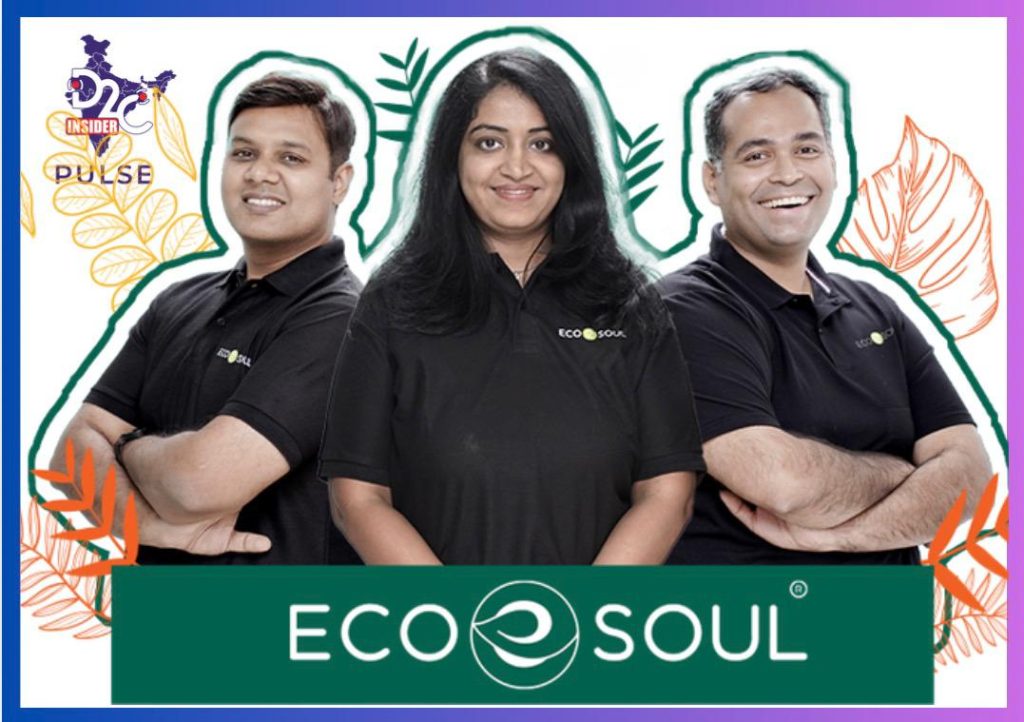
The company is using its recent $20 million Series B funding to improve manufacturing, expand its channels, and use AI to make its supply chain better. This plan mixes innovation, sustainability, and profit.
Almost 60% of the funding is going into production. EcoSoul is doubling output at its five factories and increasing production at 11 contract factories in India, China, and Vietnam. By controlling its supply chain, the brand can ensure quality, compliance, cost, and speed.
AI is key to EcoSoul’s future. From predicting demand and buying materials to handling inventory and setting prices, AI helps reduce manual work and make production more efficient. This tech-first approach leads to better margins, stronger unit economics, and prices that encourage people to buy eco-friendly items.
EcoSoul now operates in seven countries, with the U.S. making up about 60% of its revenue. India accounts for 25%, and this number is expected to grow as more Indian consumers want sustainable options. The rest comes from Europe and the GCC, where eco-friendly policies are creating opportunities for sustainable D2C brands.
A big step for EcoSoul’s global plans will be entering Walmart stores across the U.S. by January 2026. In India, the brand is planning to launch new categories on Blinkit, Zepto, and Instamart, showing a focus on quick commerce for everyday home needs.
EcoSoul currently offers over 1,800 products, including tableware, kitchenware, hygiene items, and compostable disposables. Next, it plans to introduce tree-free paper, new hygiene products, and flushable, plastic-free wipes by early 2026. By using data to customize its products for each market, EcoSoul is creating a brand that is both global and local.
With a goal to reach EBITDA positivity by the end of 2025 and become the world’s largest sustainable home goods brand by FY30, EcoSoul aims to change how consumers view convenience. Its growth shows execution, financial responsibility, and category leadership, making it a D2C brand to watch as the market moves toward environmentally responsible consumption.