Korean quick-service restaurant (QSR) startup Koriken got Rs 4 crore in seed funding from Rukam Capital, an investor known for backing consumer and direct-to-consumer brands in India. This deal shows there’s interest in culturally driven food brands here, specifically those that jump on global cuisine trends driven by young people and online shopping.
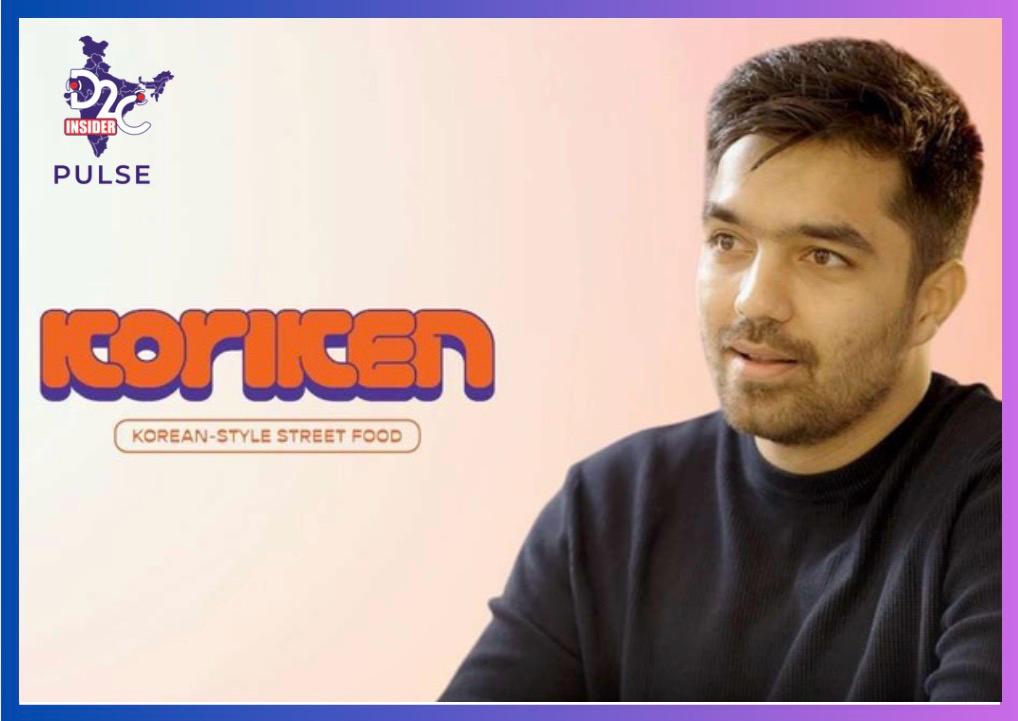
Hasan Patel started Koriken in 2022. It offers Korean food like fried chicken, ramen, and mandu, with special sauces, bringing Asian food to modern Indian QSR places. The brand combines Korean tastes, consistent cooking, and prices that work for Indian consumers, making it a new D2C startup changing the food and beverage scene.
The money will help Koriken grow, allowing it to open more stores in major Indian cities. As it grows, the brand wants to expand its presence in markets where consumers are active, influenced by Gen Z’s love for global experiences and pop culture.
This funding comes as Korean food is becoming more wanted nationwide. Swiggy and Zomato say Korean food orders have gone up by 50% year-on-year, showing a change in what Indians want to eat. Korean restaurants and QSRs have seen demand jump by 59%, spreading beyond big cities. Places like Surat and Mysuru are now growing, meaning brands like Koriken have a chance to grow with an omnichannel D2C strategy.
Koriken believes global cuisine is now mainstream. Indian consumers want real food that is affordable and new, and the brand wants to lead by mixing Korean recipes with good kitchen systems, delivery, and updated menus. By building a D2C brand around culture, taste, and online access, Koriken is becoming a leader in the D2C business in India.
As it expands, Koriken will improve its team, production, and brand presence, which are important for D2C revenue growth in food-tech. Since global cuisine is gaining popularity and D2C industry news is covering cross-border eating habits, Koriken aims to match what’s happening in India’s D2C space: consumers are picking brands that offer a real experience with convenience.
By mixing Korean heritage with India’s QSR boom, Koriken is a strong contender in the fast-growing D2C brands group—one that might explore D2C funding and expansion, potentially becoming a key player shaping D2C market trends in 2025.
This funding supports growth and shows a cultural shift. With Korean cuisine becoming popular in India, Koriken wants to turn curiosity into something people do regularly, achieving scale.