India’s consumer scene is changing, with local D2C brands growing into global lifestyle names. Lavie, a well-known Indian fashion brand, is planning to expand into the United States. This move shows how far India’s fashion-focused D2C market has come.
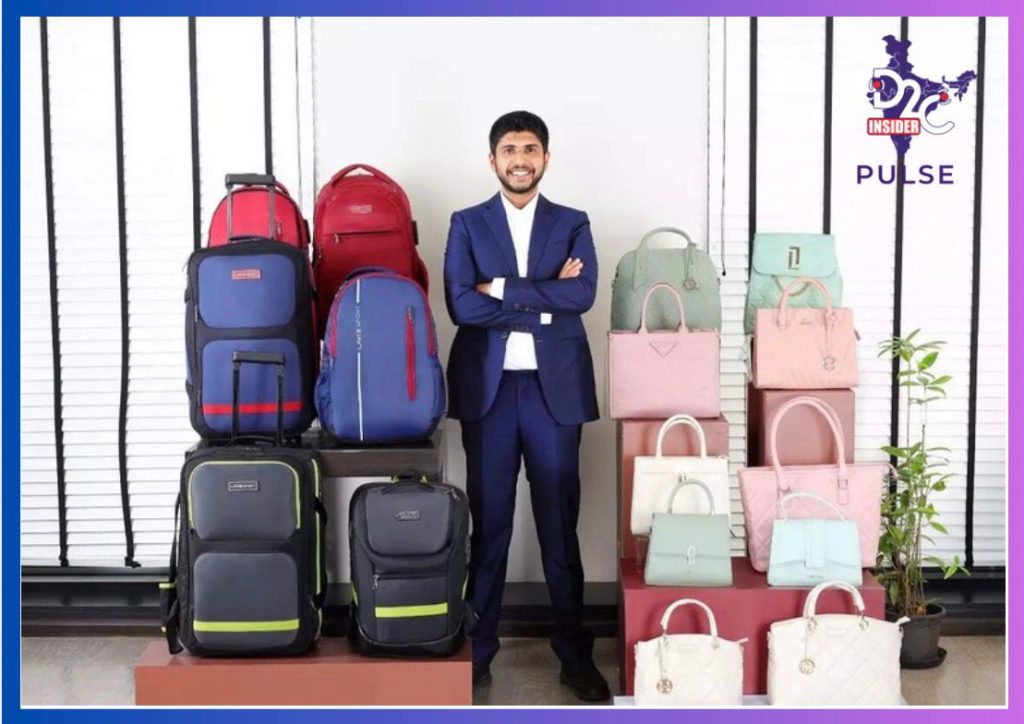
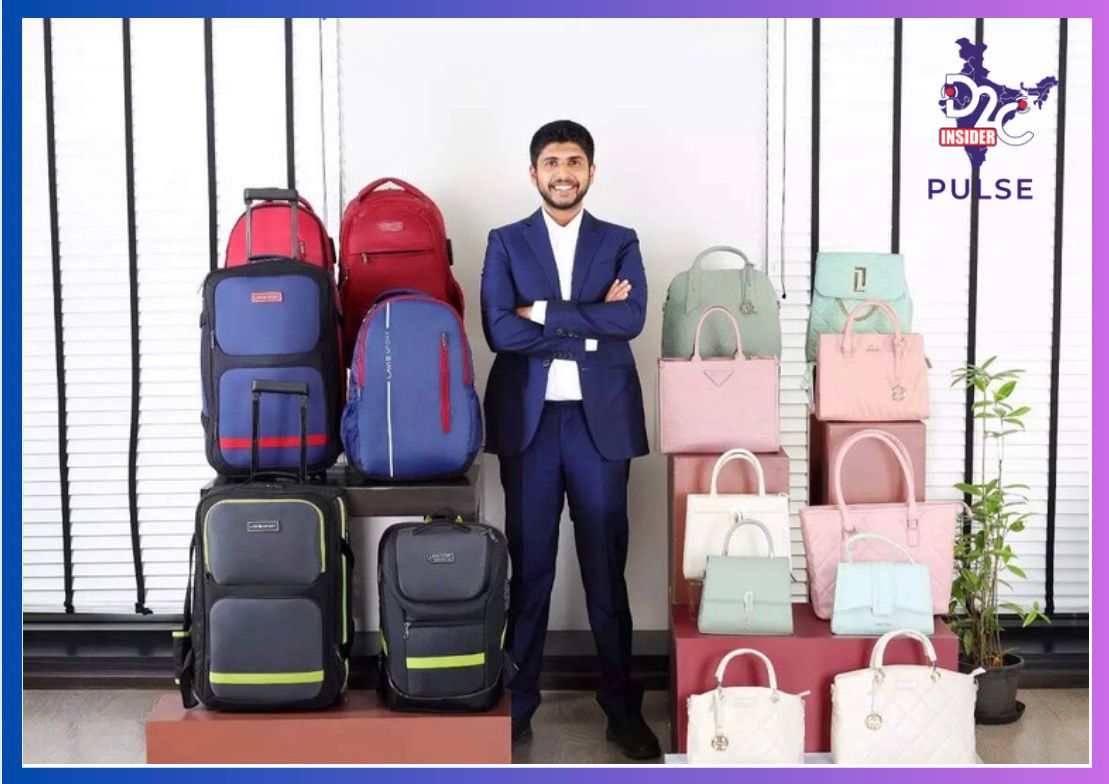
Bagzone Lifestyles Pvt. Ltd.’s Lavie has kept up with changes in what D2C consumers want. Its premium line, Lavie Luxe, is made for a shift in culture. Indian buyers, especially millennials and Gen Z, see handbags as part of their identity. This idea led Lavie to grow and make Lavie Luxe a fast-growing D2C fashion choice in India.
“Handbags are now more than just fashion; they’re a way to show who you are,” said Ayush Tainwala, CEO of Bagzone Lifestyles. “Lavie Luxe items are handmade with great finishing, and people love the work put into them.”
Lavie Luxe is expected to make up almost half of Lavie’s sales in the next one to two years.
Lavie’s rise is a good example of an omnichannel D2C plan. The brand has almost the same amount of sales online and in stores, which is rare for a D2C company. Lavie Luxe sells on Amazon, Flipkart, Myntra, Ajio, Tata CLiQ, its own site, and even fast delivery services like Zepto and Blinkit. This shows how digital brands can win by being available everywhere. While marketplaces bring in a lot of sales, Lavie’s own site is growing fast and making the brand experience better.
Lavie has a strong retail presence with over 125 exclusive stores, including locations in airports, malls, and high streets. They added about 40 stores in the last fiscal year and plans to open five more each month. Smaller cities are now a big part of their sales, showing that more people outside of big cities want these products.
Working with others is helping Lavie grow creatively. Lavie Luxe teamed up with designer Payal Singhal, which improved its premium image and shows how brand partnerships can get customers excited. Tainwala sees these partnerships as valuable, saying, “We want to work with people who can help our products get even better.”
Lavie has over 4,000 products, including handbags, wallets, shoes, and perfumes, creating a full lifestyle collection for women. Still, they are careful to expand into new areas only after they’ve become leaders in their current ones, which helps them grow their earnings for the long run.
Lavie is also going international, showing how brands can go beyond their home country. They already sell online in the Middle East, are thinking about opening stores there, and have started selling in Europe in England and Germany. Now, they plan to enter the United States, with progress expected soon.
Tainwala has a clear goal: “We want to create a global women’s lifestyle brand, like Guess or Charles & Keith.”
With Lavie Luxe, a strong presence in stores and online, global goals, and a growing brand reputation, Lavie is not just growing—it’s changing what Indian D2C startups can do worldwide.