
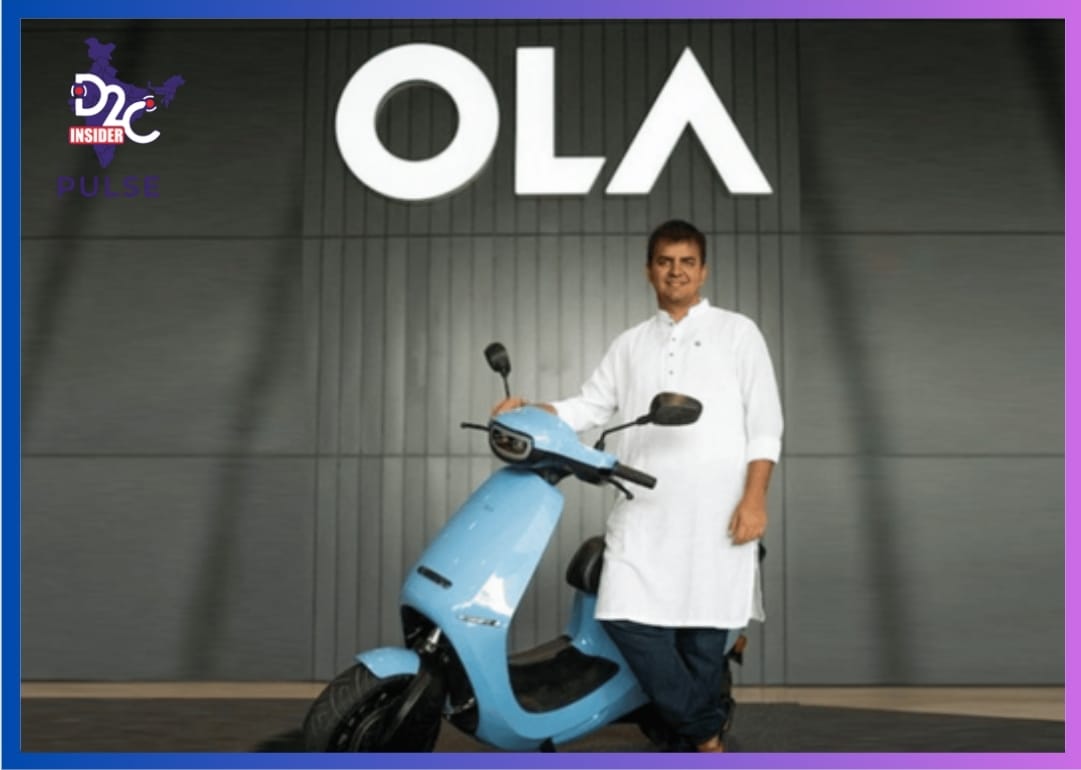
Ola Electric has started delivering vehicles with their Bharat Cell 4680 battery, made in India. This makes them the first Indian company to design, make, and put together both the battery pack and cell themselves. This gives Ola Electric more control over their product supply and changes the game for the country’s EV industry.
The S1 Pro+ (5.2 kWh) electric scooter uses this tech first. It’s the first in India with the 4680 Bharat Cell, which means it can go farther, perform better, and is safer. It has a 13 kW motor that goes from 0–40 kmph in just 2.1 seconds. The S1 Pro+ can travel 320 km and has four modes: Hyper, Sports, Normal, and Eco. They’ve also added dual ABS, disc brakes in the front and back, better design, comfortable seats, and new colors to make it feel like a high-end EV.
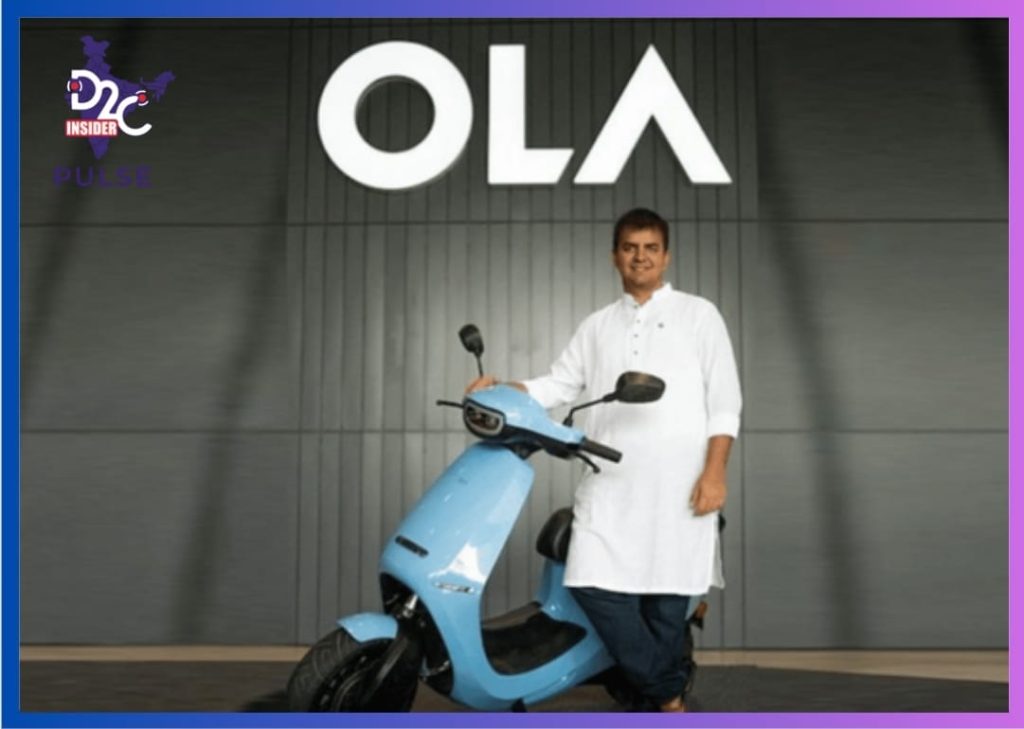
A company person said this is more than just a better product. Deliveries are happening now, and people are happily riding the first Indian scooters with our 4680 Bharat Cell. This is huge, not just for Ola, but for India to become a main player in the EV world. This rollout is a key change, showing Ola’s move from putting EVs together to being a major force in energy and mobility. This lines up with the bigger story of Indian D2C updates, where local innovation is starting to replace the need to import tech.
This is a crucial time for Ola Electric. Even after leading early D2C news, the company has struggled to stay ahead. Sales fell to 7,567 units in November, or 7.2% of the market. This is down from 22,656 units in January, when Ola had 25% of the market. Market issues, more competition from companies like TVS Motor and Bajaj Auto, and worries about service, quality, and delays have slowed them down.
But, the 4680 Bharat Cell plan is a clear D2C strategy reset. By making the cell in India—something that even big EV companies take years to do—Ola Electric is gaining advantages in cost, battery reliability, and long-term growth. Controlling the cell tech means better unit costs, longer ranges, and unique products. This is key for growing in both India and other countries.
This delivery launch also gets the company back on track with the faster D2C market changes expected by 2025, where leaders need to innovate more instead of just expanding distribution. As the EV market gets more developed, people want stable performance, tech-driven experiences, and less worry about owning one. Vertical integration gives Ola a new edge in these areas.
With the Bharat Cell, Ola is not just releasing another scooter. They are building a key energy tech advantage that can shape the next ten years, especially as the direct-to-consumer approach grows into heavy engineering, mobility platforms, and charging stations. The company is now ready to rebuild customer trust, win back lost ground, and impact the broader direction of India’s EV exports—an area where investors are increasingly interested in D2C funding rounds, IPOs, and private equity.
If done right, this tech jump could be one of the strongest D2C brand stories coming from the Indian EV market. It can establish Ola Electric not just as a scooter company, but as a main player in India’s move to become a global electric mobility center.